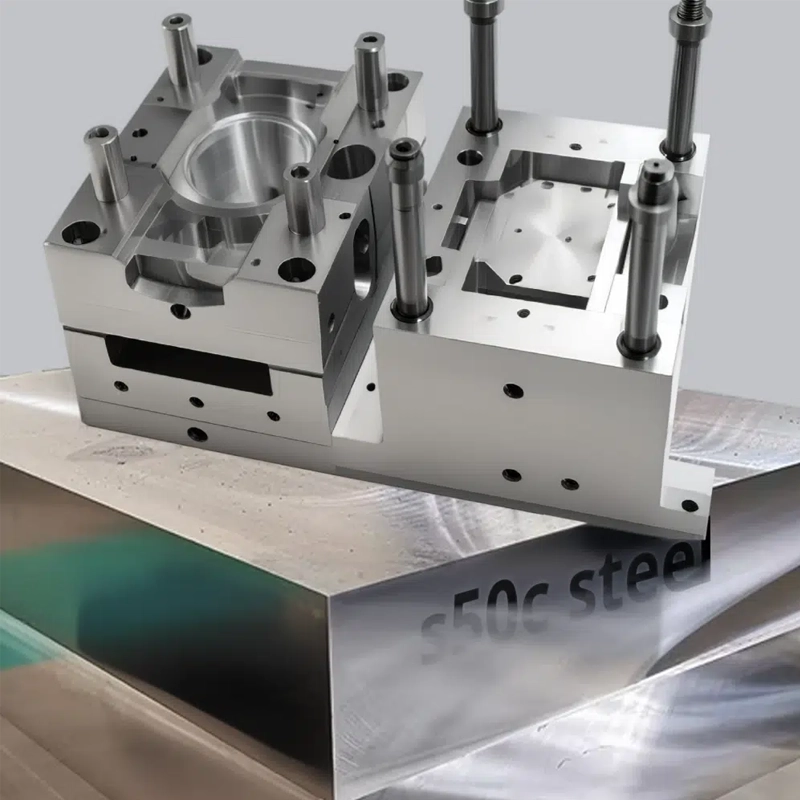
Plastic injection molding is one of the most widely used methods for manufacturing a variety of plastic products, ranging from automotive components to consumer electronics. The precision and efficiency of this process heavily rely on the quality of the molds used. Steel molds, in particular, play a crucial role in ensuring high-quality plastic parts are produced with consistency and durability. In this blog, we explore the role of steel molds in plastic injection molding, including the types of steel commonly used, their key characteristics, the mold production process, and maintenance considerations.
Commonly Used Steel Types in Plastic Injection Molding
The choice of steel for plastic injection molds is critical to the molding process’s efficiency, durability, and cost-effectiveness. Below are the most commonly used steel types in plastic injection molding:
- P20 Steel
P20 steel is one of the most commonly used steels for plastic injection molds. It offers a good balance between strength and machinability, making it suitable for general-purpose molds that don’t require high thermal conductivity. This steel is often used in mass production due to its moderate cost and ease of handling. - H13 Steel
H13 is a hot work tool steel known for its high hardness and excellent resistance to heat and wear. It’s frequently used in molds that handle high-temperature plastics or require long production runs. H13 steel is ideal for applications that demand high durability, such as automotive parts. - S7 Steel
S7 steel is a shock-resistant tool steel often used for molds that undergo heavy mechanical stress. It’s ideal for applications where impact resistance and toughness are paramount, such as in molds for industrial parts or products with intricate designs. - Stainless Steel (AISI 420, 440)
Stainless steel offers excellent corrosion resistance, which is essential in certain molding applications where hygiene is critical (such as food-grade products). Stainless steel molds are more expensive but are highly durable and long-lasting. - 420 Steel
This type of stainless steel offers high hardness and wear resistance, making it suitable for molds requiring higher strength and less maintenance.
Key Characteristics of Mold Steel
The steel used for plastic injection molds must meet several important characteristics to ensure that molds perform efficiently over time:
- Durability: The steel should be resistant to wear and tear from repeated injection cycles.
- Hardness: The mold material needs to be hard enough to withstand the high pressure and temperature of the plastic injection process.
- Thermal Conductivity: Good thermal conductivity is necessary to regulate the temperature of the mold, which ensures the plastic solidifies correctly and consistently.
- Corrosion Resistance: Especially for molds that are exposed to harsh environments or certain chemicals, corrosion resistance is crucial.
- Machinability: Steel should be easy to machine and maintain without compromising its integrity.
Choosing the Right Steel for Your Mold
Selecting the right steel for your mold depends on several factors, including:
- Application: What type of products will be produced? Will the molds be used for high- or low-volume production? The steel type needs to meet the specific requirements of the production volume and the type of plastic being used.
- Production Environment: High-temperature plastics, such as those used in automotive parts, may require more heat-resistant materials, like H13 steel. On the other hand, if you’re molding food-safe items, stainless steel may be the better option due to its corrosion resistance.
- Cost vs. Performance: Balancing cost with the required performance is essential. High-performance steels like H13 offer durability but come at a higher price. For less demanding applications, P20 steel might be sufficient and more cost-effective.
Mold Production Process
The process of producing a steel mold for plastic injection molding involves several key steps:
- Design
The first step is designing the mold. CAD software is used to create a precise 3D model of the mold and the plastic part. This step ensures that the mold’s features are accurate and that the part will be produced efficiently. - Tooling
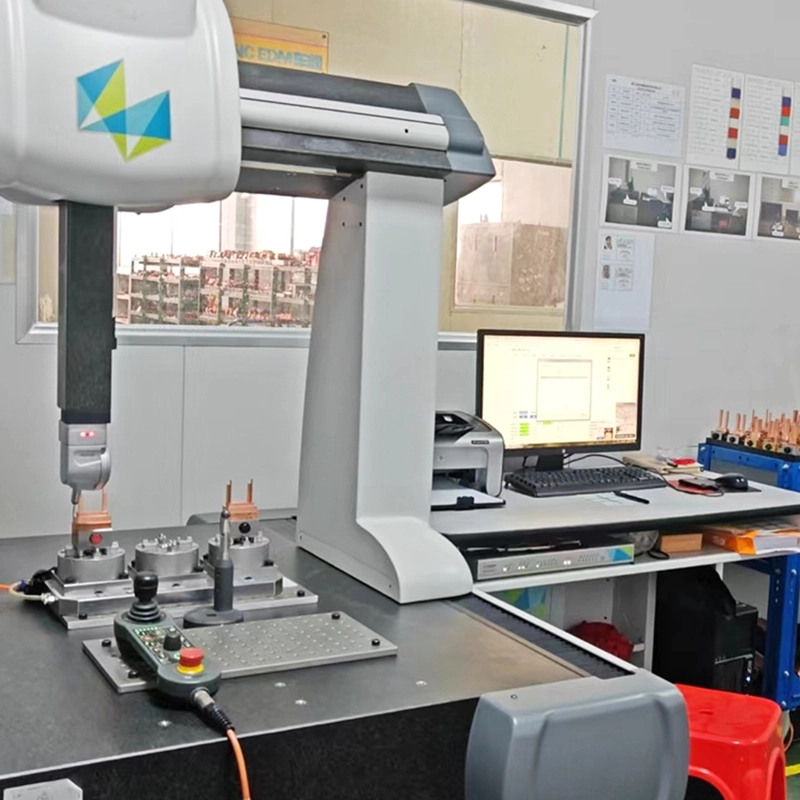
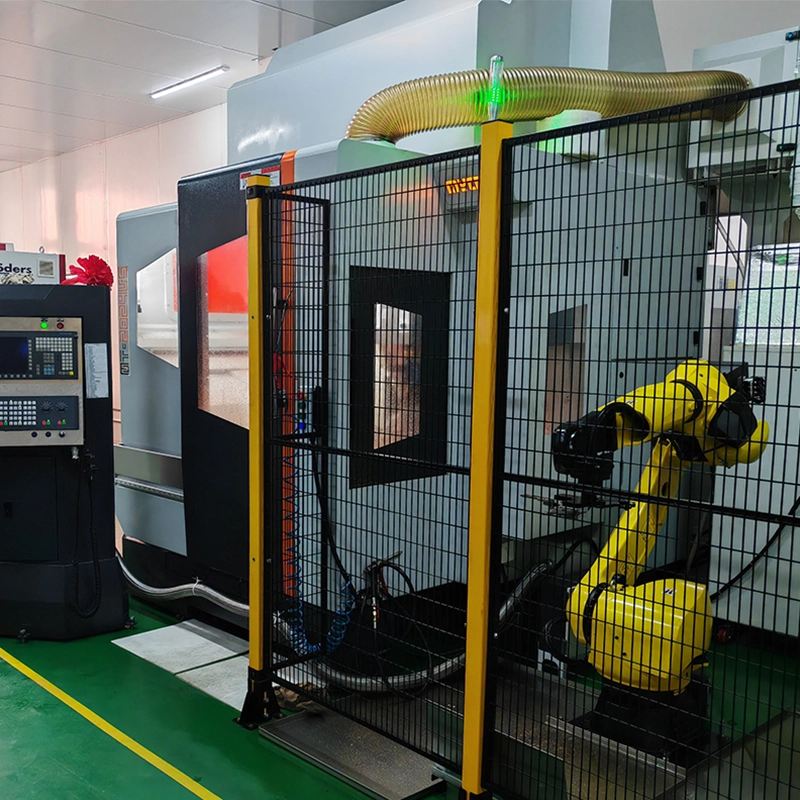
Once the design is approved, the tooling process begins. The steel material is selected based on the design requirements, and the mold is cut and shaped using CNC machines, EDM (Electrical Discharge Machining), and other tools. - Finishing
After the mold is shaped, it undergoes finishing processes like polishing and coating to enhance its performance and longevity. This step ensures that the mold surfaces are smooth and that the plastic parts will come out with fine details. - Testing
The mold is tested by running initial injection cycles to check for issues such as air pockets or improper filling. This step helps fine-tune the mold before it enters full-scale production.
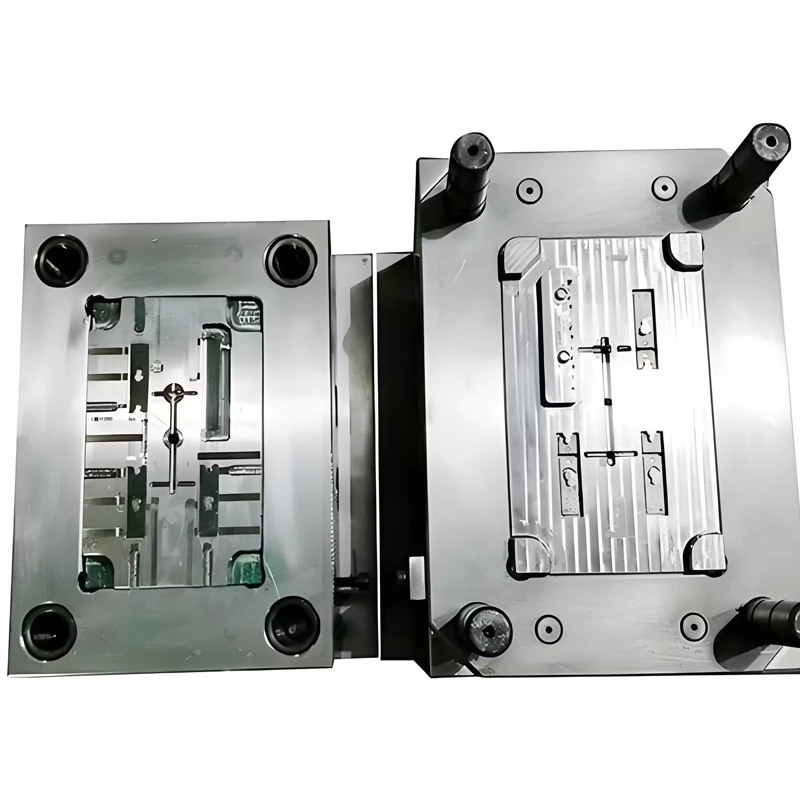
Mold Maintenance
Regular maintenance is essential to ensure the long-term performance of steel molds. Some key maintenance practices include:
- Routine Inspections: Checking for signs of wear, cracks, or corrosion in the mold.
- Cleaning: Removing any plastic residue or debris that may affect mold performance.
- Lubrication: Applying lubricants to ensure smooth operation and reduce friction.
- Repairs: Addressing any issues immediately to prevent more severe damage from occurring.
Proper maintenance ensures that the mold performs at its optimal level throughout its lifespan, reducing downtime and increasing production efficiency.
Conclusion
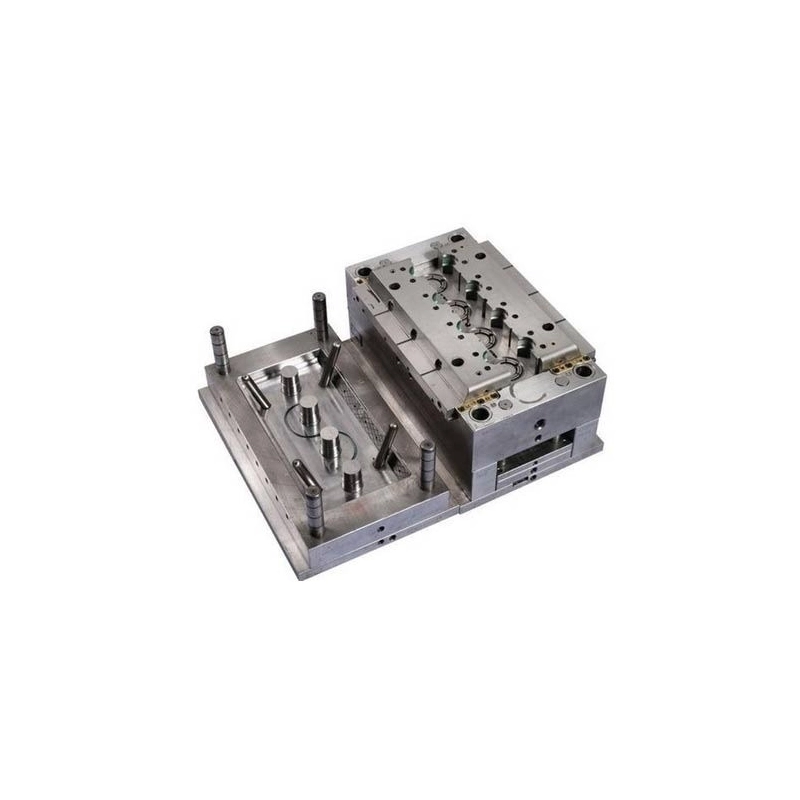
Steel molds are a crucial component of the plastic injection molding process. The right choice of steel can significantly impact the quality, durability, and efficiency of the molded parts. At Toolingsun, we specialize in providing custom solutions for mold design and manufacturing, ensuring that our clients receive high-quality, durable, and cost-effective molds for their injection molding needs.
If you are looking for a reliable partner in mold manufacturing, Toolingsun offers comprehensive OEM/ODM services tailored to meet your specific production requirements. Contact us today to learn more about how we can help optimize your production process.