The tooling price is only one part of the sourcing decision
An injection mold quote is a proposal for a production system: it defines the tool, the expected parts, the validation work, and the responsibilities on both sides. Two quotes for the same part can differ because they assume different mold steel, cavity counts, runner systems, tolerances, sampling scope, or delivery terms.
For procurement teams, the practical question is not simply “Which quote is lower?” It is “Which proposal is most likely to deliver the required parts, at the required quality and volume, with an acceptable total cost and manageable risk?”
The distinction matters because mold design affects downstream production. Tooling Sun’s injection molding service describes a project sequence that includes design review, DFM approval, T1 samples, production, and delivery. A quote that excludes or leaves these steps unclear can look less expensive at the start while shifting uncertainty into later stages.
Why quote comparison is a total-cost decision
A low tooling price can exclude important scope
The headline price may not include mold-flow analysis, detailed DFM review, sampling iterations, texture, spare components, documentation, or freight. A buyer should compare the deliverables and assumptions behind each number before treating the quotes as equivalent.
Part price and tooling price affect different decisions
Some programs buy a completed mold for production at their own facility. Others have the supplier build the mold and produce parts. The best commercial structure depends on projected volume, production location, tool ownership, and who will maintain the mold.
Toolingsun offers both export injection molds and injection molding and mold services. Comparing these options means clarifying whether the quote covers tooling only, molded parts, or both—and how maintenance responsibility changes under each arrangement.
Production delays have a cost beyond the invoice
If design assumptions are unresolved or trial expectations are vague, correction cycles can delay launch, qualification, and customer commitments. Buyers should therefore evaluate schedule assumptions and response responsibilities alongside price.
The quote elements that deserve a like-for-like comparison
Mold design and engineering scope
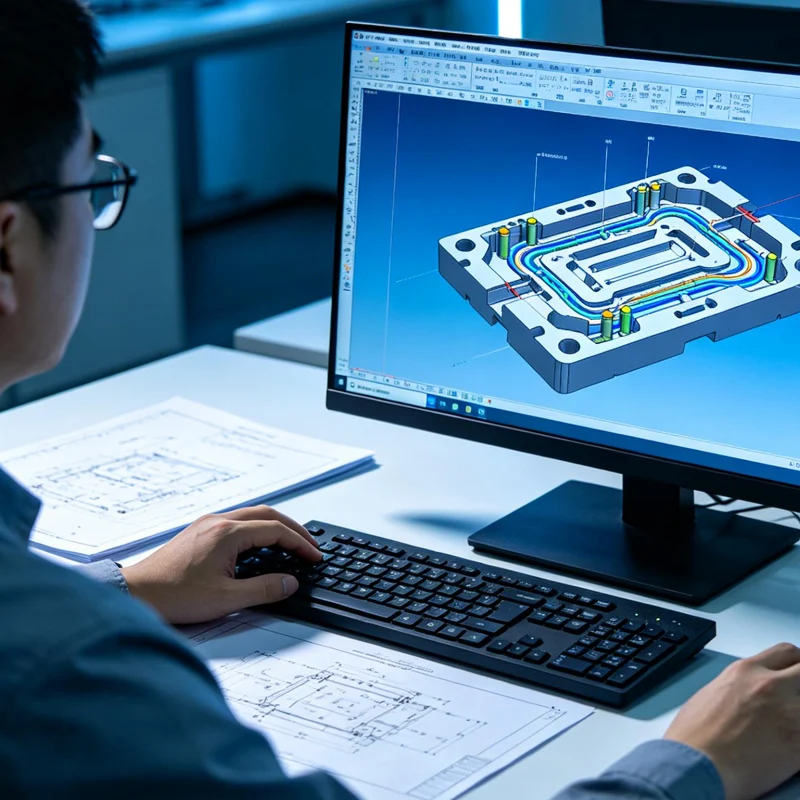
Check whether the supplier will provide a DFM report, mold layout, 3D mold design, and a defined approval milestone before steel cutting. Confirm which design changes are included and how changes after approval are quoted.
The site describes DFM and tool approval as a step in its project process. A buyer can use that as a comparison point: each supplier should state what review is included, what data is delivered, and when customer approval is required.
Steel grade, mold base, and expected tool life
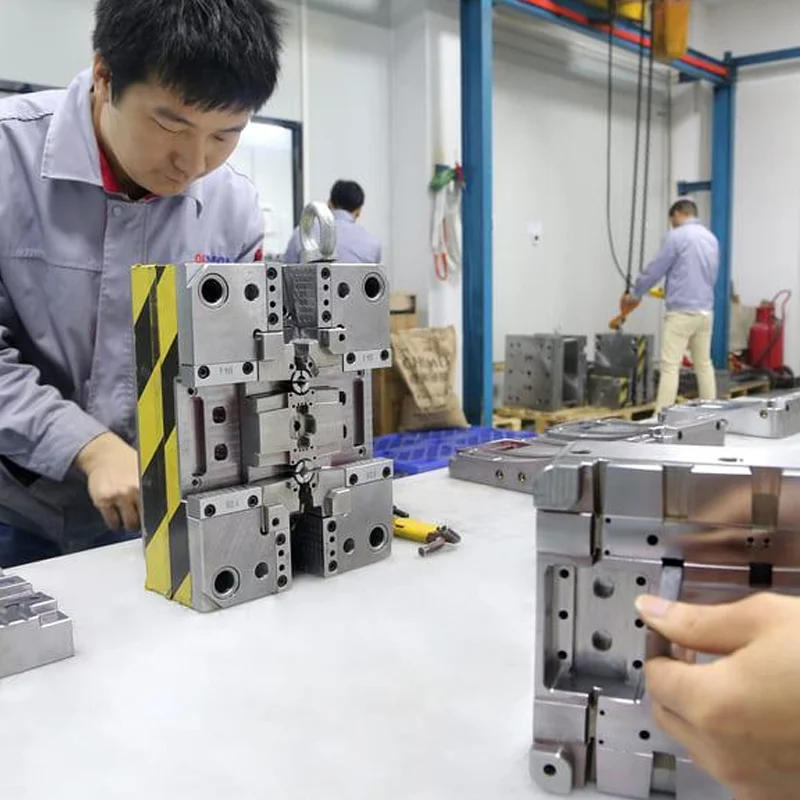
Ask for the specified steel grades for the core, cavity, and other wear-critical components, along with the mold base standard and any heat-treatment requirements. “Tool life” should be stated as an assumption tied to resin, maintenance, production conditions, and the agreed definition of acceptable wear.
Toolingsun’s mold tooling showcase lists options including P20, 718, 738, NAK80, and S136, along with mold base standards such as HASCO, DME, MISUMI, JIS, and LKM. These options make a useful starting point for quote clarification; the appropriate combination depends on part requirements and production expectations.
Cavitation and runner design
A higher cavity count may lower the theoretical part cost at volume, while increasing the initial tooling investment and the consequences of a cavity-specific issue. Confirm whether the quote is for a single-cavity, multi-cavity, or family mold, and ask how the proposed runner system fits the part geometry, material, and expected production volume.
Toolingsun’s site describes production mold capabilities across plastic and LSR tooling, as well as cold- and hot-runner options in its showcase. Buyers should have suppliers identify the configuration included in each quote rather than compare totals without matching the tool architecture.
Sampling, corrections, and acceptance criteria
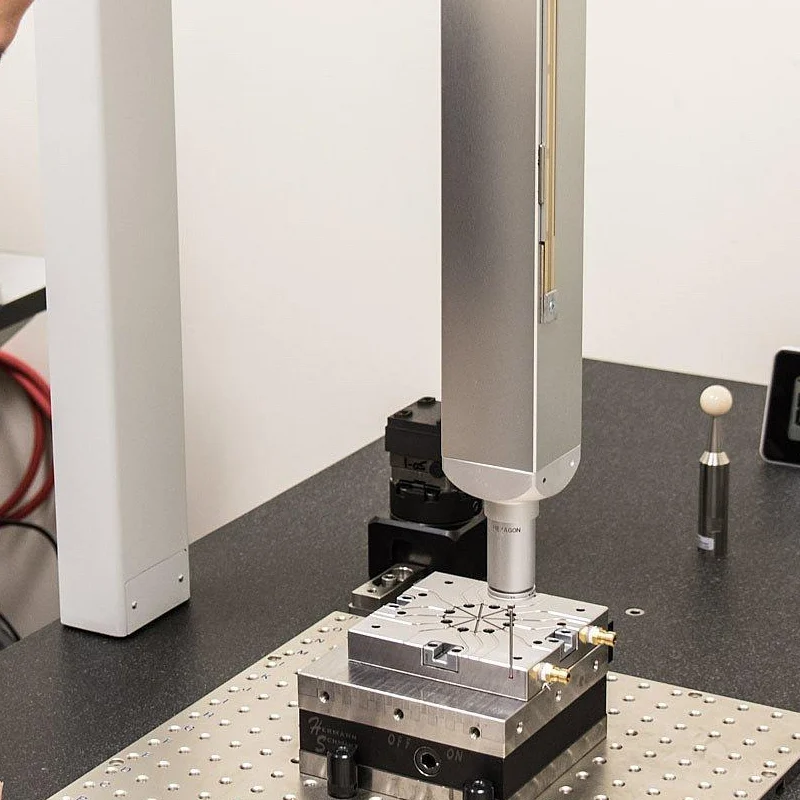
Ask how many sampling rounds are included, what “T1” means in the supplier’s proposal, and what inspection data will accompany samples. Define acceptance criteria before ordering: critical dimensions, cosmetic standards, material, color, functional tests, and the process for documenting and approving deviations.
Documentation, ownership, and transfer readiness
Clarify who owns the mold, where it will be stored, who can access it, and what happens if production moves. List the handover package, such as approved mold drawings, maintenance records, spare-parts information, and process settings where applicable. These terms should be written into the commercial agreement.
Market observation: total cost depends on the comparison boundary
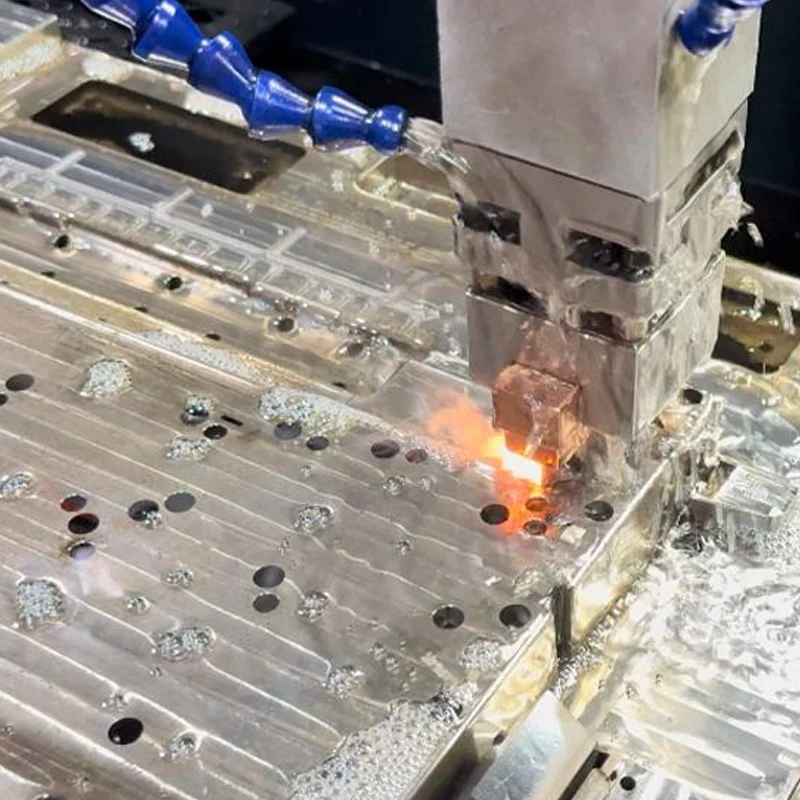
The U.S. International Trade Commission’s report on tools, dies, and industrial molds discusses the use of broader cost evaluation when purchasing tooling, rather than relying only on initial price. For injection-molded programs, buyers can apply that principle by defining the comparison boundary: tooling, parts, freight, duties, inspection, maintenance, correction cycles, and the cost of production disruption.
A newer, supplier-published overview from UPM on total cost of ownership in plastic manufacturing similarly identifies costs beyond the quoted part price, including freight, inventory, quality, and supply interruption. Treat such frameworks as a prompt to build a project-specific cost model, not as a universal cost estimate.
A practical total-cost framework
A useful internal comparison can separate one-time and recurring costs:
- One-time: mold design, tooling, sampling, qualification, texture, and launch support.
- Per-part: resin, cycle time, scrap assumptions, secondary operations, packaging, and inspection.
- Logistics: freight, duties, insurance, and inventory needed to protect the launch.
- Lifecycle: preventive maintenance, expected repairs, spare components, and transfer or relocation costs.
- Risk: schedule exposure if samples fail acceptance or the mold needs correction.
The framework should use the same assumptions for every supplier. If the quotes use different annual volumes, material grades, shipping terms, or inspection scope, normalize those inputs before ranking them.
Toolingsun Perspective
Toolingsun’s injection mold workflow includes design review, DFM approval, T1 sampling, mold manufacturing, and production. When comparing quotations, buyers should evaluate not only the tooling price but also the engineering scope, sampling, corrections, and production support included in each proposal.
Why the manufacturing pathway changes the comparison
A mold built for export requires clear specifications for machine compatibility, mold interfaces, handover documentation, and maintenance. When the supplier also manufactures the molded parts, buyers should consider part pricing, production capacity, quality control, material management, and mold maintenance.
Toolingsun’s capability page covers plastic and LSR tooling, overmolding, insert molding, and family molds. Buyers should confirm whether these processes are included in the quotation or require separate tooling and production costs.
Internal verification note: Before publication, add a confirmed example from Toolingsun’s engineering or production team involving quotation scope, DFM, sampling, or tooling requirements. Avoid presenting unverified customer experiences as actual company cases.
A procurement checklist for comparing mold quotes
Normalize the technical assumptions
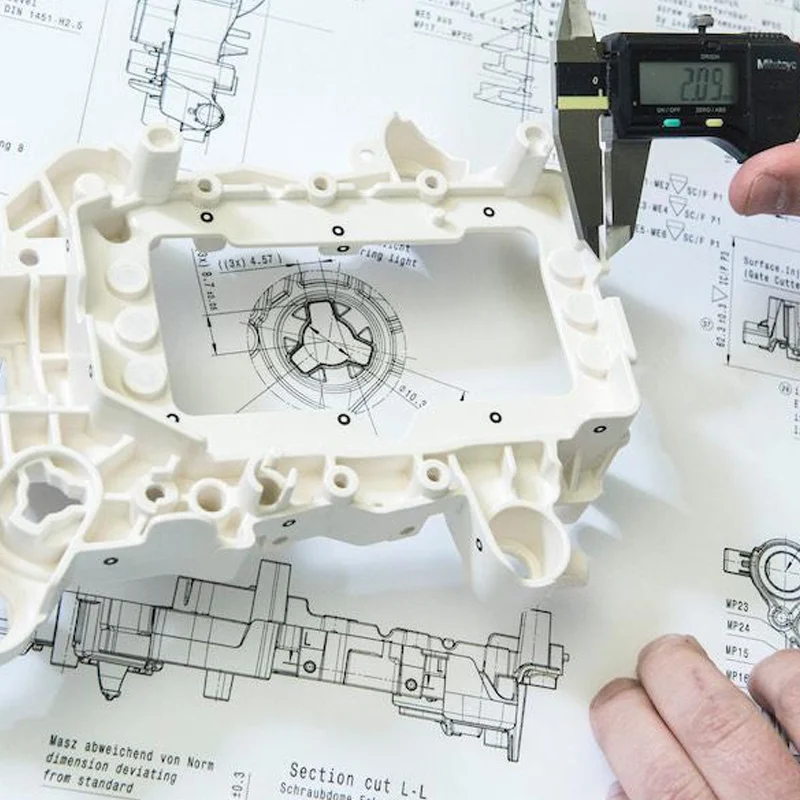
Give each supplier the same part revision, resin and grade, color, annual volume, target cycle, cosmetic requirements, tolerances, and production location. Confirm the mold architecture, cavity count, runner type, and machine constraints.
Compare named deliverables
For every quote, record whether it includes DFM, mold design approval, mold-flow analysis if required, sampling rounds, inspection reports, correction work, texture, and final documentation. Mark exclusions explicitly.
Agree on acceptance and change control
Define how samples will be approved, how deviations are handled, who pays for changes caused by design updates, and how changes caused by tool performance are treated. A written acceptance plan is more useful than a vague promise to “meet specifications.”
Review the commercial and logistics terms
Check payment milestones, Incoterms, packaging, shipment responsibility, insurance, duties, mold ownership, storage, and transfer conditions. These can materially change the project’s total cost.
Score risk as well as price
A simple weighted matrix can help purchasing, engineering, and finance compare proposals consistently:
| Evaluation area | Example review question |
|---|---|
| Technical scope | Are tool design, steel, cavities, runner, and machine assumptions specified? |
| Validation | Are sample rounds, inspection data, and acceptance criteria defined? |
| Production | Does the quote cover the buyer’s required production location and volume? |
| Lifecycle | Are maintenance, repairs, spares, and tool transfer addressed? |
| Commercial terms | Are ownership, logistics, payment, and exclusions clear? |
| Cost | Are one-time, recurring, and risk-related costs compared on equal assumptions? |
What this means for your brand
The mold quote influences launch readiness, product consistency, and the flexibility to change production location or volume later. A disciplined comparison helps teams protect the product specification while making commercial trade-offs visible to engineering, finance, and procurement.
For programs using thermoplastics, LSR, insert molding, or overmolding, the best sourcing decision may depend on how the mold and production process work together. Toolingsun’s plastic injection molding materials page can support early material discussions; the final selection should be confirmed against the part’s functional and regulatory requirements.
Conclusion
Compare injection mold quotes by matching scope, technical assumptions, validation, ownership, logistics, and lifecycle responsibilities. The tooling price remains important, but it becomes meaningful only when each supplier is quoting the same production outcome.
A normalized quote comparison gives procurement a clearer basis for selecting a mold partner and gives engineering a stronger starting point for DFM, sampling, and production approval.
FAQ
1. Why can two injection mold quotes differ so much for the same part?
The quotes may assume different steel grades, cavity counts, runner systems, tool life, sampling scope, tolerances, finish, or delivery terms. Confirm those details before interpreting the price gap.
2. Should procurement compare tooling cost or molded part price?
Compare both when the supplier will also produce parts. Tooling and part pricing have different cost drivers, and the best option depends on volume, production location, ownership, and maintenance responsibility.
3. What should an injection mold RFQ include?
Include the current 3D model and 2D drawing, resin and grade, annual volume, target production location, critical dimensions, cosmetic requirements, expected tool life, and sampling or qualification needs. State known machine constraints when the mold will run at your facility.
4. What does a low tooling quote leave out?
It may exclude engineering review, sampling iterations, texture, spare parts, documentation, shipping, or post-delivery support. Ask suppliers to list inclusions and exclusions in writing.
5. How should mold ownership be confirmed?
Put ownership, identification, storage, access, maintenance, insurance, and transfer conditions in the purchase agreement. Also define what technical files and records will be delivered if the tool moves.
6. When should a buyer request a DFM review?
Request it before final mold design approval and steel cutting. The review can identify design, tooling, and production assumptions that should be resolved before they affect sampling or launch timing.
About the Author
James — Mold Manufacturing & DFM Specialist
James has more than 20 years of hands-on experience in mold manufacturing, tooling development, and DFM engineering. His expertise covers mold design review, DFM analysis, mold structure, tooling optimization, sampling, and production problem-solving.
He focuses on identifying manufacturability and tooling risks before mold fabrication, helping B2B buyers and engineering teams align part design, mold requirements, production expectations, and quality targets from the beginning of a project.
References
- U.S. International Trade Commission, Tools, Dies, and Industrial Molds: Competitive Conditions in the United States and Selected Foreign Markets
https://www.usitc.gov/publications/332/pub3556.pdf - UPM, Looking Beyond the Quoted Piece Price: Total Cost of Ownership for Injection Molded Components
https://www.upminc.com/reshoring-supply-chain-risk/total-cost-of-ownership-tco/ - International Organization for Standardization, ISO 9001: Quality Management Systems — Requirements
https://www.iso.org/standard/62085.html
Planning an Injection Mold Project?
If you are comparing mold-only sourcing with supplier-run production, Toolingsun’s engineering and project team can review your drawings, required output, and production location to clarify the technical scope for an RFQ. Share your STEP or other supported design files through the inquiry page to start a project discussion.