In the competitive world of product development, the ability to quickly transform ideas into functional prototypes is essential. The choice between rapid prototyping and traditional prototyping can dramatically affect both the speed and cost of your project. At Toolingsun, we understand the importance of selecting the right prototyping methods to meet your unique needs. In this article, we will dive into how these two approaches compare in terms of speed, cost, and overall effectiveness.
What is Traditional Prototyping?
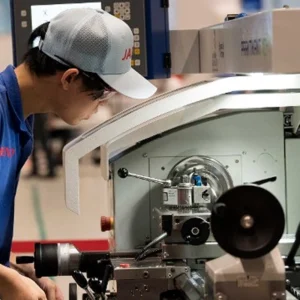
Traditional prototyping involves creating physical prototypes using manual techniques and tools, often involving materials such as wood, metal, or plastic. This approach is ideal for designs requiring high precision or intricate mechanical features that demand close attention to detail.
Advantages of Traditional Prototyping:
-
Precision: When accuracy is critical, traditional methods offer unmatched control over fine details.
-
Material Selection: You can choose from a wide range of materials, including metals and composites, which are often difficult to work with using modern technologies.
-
Mechanical Testing: Traditional methods are effective for testing the durability and functionality of complex designs that involve moving parts.
Disadvantages of Traditional Prototyping:
-
Time-Consuming: The manual nature of traditional prototyping can lead to slower production times, especially when dealing with complex parts.
-
High Cost: The need for skilled labor, specialized tools, and raw materials makes this method more expensive, particularly for low-volume prototypes.
-
Limited Iteration: Any design changes require starting the prototyping process over, which can add both time and cost to the project.
What is Rapid Prototyping?
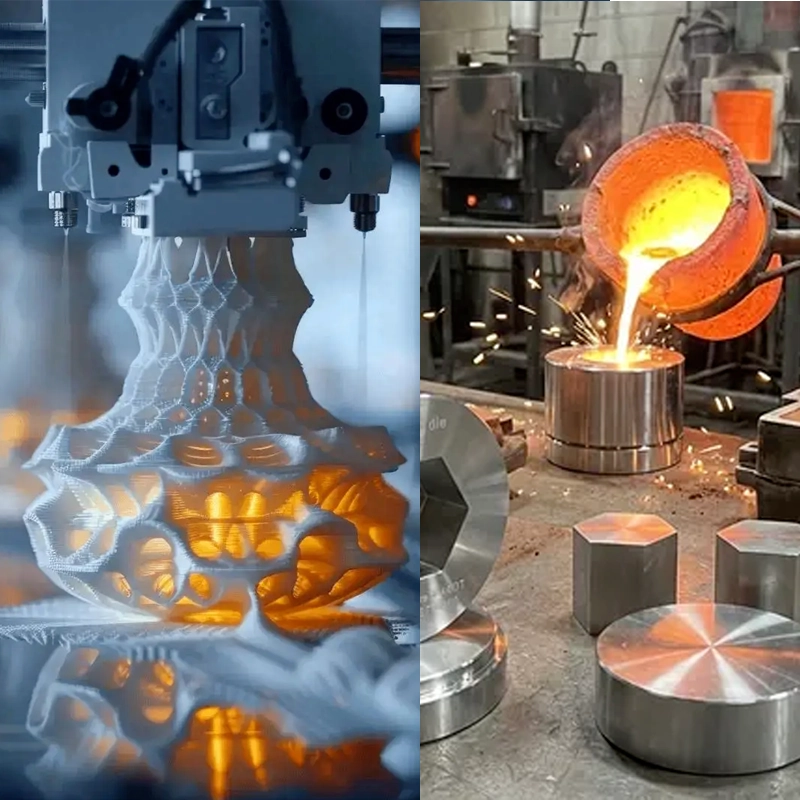
Rapid prototyping refers to a set of manufacturing technologies that allow for the quick creation of prototypes directly from a CAD (Computer-Aided Design) file. Common techniques like 3D printing, CNC machining, and laser cutting are used to build prototypes quickly and efficiently, often in a matter of hours or days.
Advantages of Rapid Prototyping:
-
Speed: The primary advantage of rapid prototyping is speed. With 3D printing and other modern technologies, prototypes can be produced within hours, enabling fast testing and iterations.
-
Cost-Effective: Rapid prototyping is typically more affordable than traditional methods due to lower material usage, reduced labor, and the ability to quickly modify designs.
-
Iterative Design: Rapid prototyping supports iterative design processes, allowing designers to quickly modify and test different iterations without significant additional cost or time.
-
Prototype Testing: Early-stage prototype testing becomes more accessible, helping to uncover design flaws before investing in large-scale production.
Disadvantages of Rapid Prototyping:
-
Precision: While rapid prototyping offers flexibility, the precision and surface finish may not always meet the level of detail achievable with traditional methods.
-
Material Limitations: Certain high-strength or specialized materials may not be suitable for use in rapid prototyping, making it less ideal for specific use cases.
Speed and Cost: A Clear Advantage for Rapid Prototyping
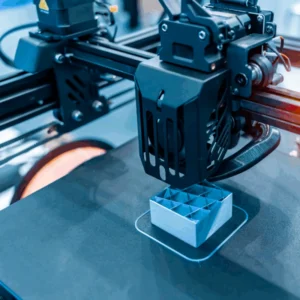
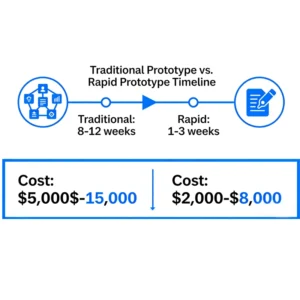
When comparing the two methods in terms of speed and cost, rapid prototyping has a clear edge. Thanks to advanced technologies like 3D printing, Toolingsun can produce prototypes in a fraction of the time it would take using traditional methods. For businesses that need to test prototypes quickly or conduct multiple iterations, this approach is a game-changer. Additionally, the reduced labor and material costs associated with rapid prototyping make it the more budget-friendly option, especially for projects with frequent design changes.
On the other hand, traditional prototyping is more time-intensive and expensive. The manual labor and expertise required, along with the costs of raw materials, contribute to a higher overall expense. For complex, high-precision products, traditional methods may be necessary, but for most companies focused on speed and cost-effectiveness, rapid prototyping is the preferred choice.
Choosing the Right Prototyping Method for Your Business
The decision between rapid prototyping and traditional prototyping ultimately depends on the unique needs of your project. If you require a quick turnaround and flexibility for design changes, Toolingsun’s rapid prototyping services are an excellent choice. Our manufacturing technologies allow us to create prototypes that meet your specifications while keeping costs low and timelines short. For high-precision projects or complex designs, traditional prototyping may still be the best option.
Why Toolingsun?
At Toolingsun, we specialize in both rapid and traditional prototyping, offering tailored solutions for every phase of your product’s lifecycle. Whether you’re looking to test your idea with rapid prototyping or need a highly accurate model with traditional methods, we have the expertise to bring your vision to life. Our goal is to help you develop high-quality prototypes quickly, efficiently, and affordably, no matter the complexity of your design.