Industry Background:
Grand View Research values the global injection molding market at USD 312.7 billion in 2025, projecting USD 462.5 billion by 2033, with Asia Pacific holding a 41.2% revenue share and China the largest single country. Read through a Grand View Research lens, the message for buyers is simple: a growing share of production tooling is being sourced across borders.
A Market Anchored in Asia Pacific
Publishers define the market differently. Fortune Business Insights sizes injection molded plastics at USD 337.5 billion in 2025 and puts Asia Pacific at 56.6% share. The two figures are not comparable line by line, but both point to the same buying reality: for many programs, the mold maker sits in a different country, time zone and quality culture from the brand that owns the part.
Why the Mold Is the Highest-Leverage Purchase
A production mold typically costs thousands of dollars, yet it determines the unit cost of parts made for cents or a few dollars each. Its design fixes gating, cooling, ejection and, ultimately, how stable the process can be. A weak mold cannot be fixed by a good molder.
Why It Matters: What a Thin Capability Review Costs
Flash, Short Shots and Rework
Toolingsun’s own engineering notes point out that deviations of even a small magnitude in a mold’s parting surfaces lead to flash. Poorly balanced family molds can produce short shots. Each defect adds trimming, sorting and rejects to the piece price that the quotation never showed.
Launch Delays and Tool Ownership Risk
A late tool modification is rarely just a machining job. It pushes sample approval, packaging validation and shipment dates. Buyers should also settle in writing where the finished mold will be stored and who owns it, before the first steel is ordered.
The Overseas Communication Gap
Language barriers and time zone differences are the most common friction in cross-border tooling projects. A named English-speaking project manager, defined review windows and written design approvals matter as much as the machine list.
Market Observation: What Data and Standards Tell Buyers
Certification Is a Baseline, Not Proof
Quality system certificates are a legitimate first screen. Note that standards move: ISO’s catalogue lists the 2024 climate amendment to ISO 9001:2015 as withdrawn and points to a new edition, ISO 9001:2026. When a supplier presents a certificate, ask which edition it covers, which sites and processes are in scope, and when it expires. See the ISO catalogue entry for the current status. For automotive programs, also ask whether IATF 16949 applies to the tooling site or only to the parent company.
What Market Figures Do and Do Not Tell You
Market reports describe demand, not supplier competence. They justify why your sourcing team should invest time in supplier review, but they say nothing about whether a specific shop can hold a tolerance, run a flow simulation or manage a T1 sample loop.
Toolingsun Perspective
During tooling discussions, engineering review is often the stage where potential manufacturing risks become visible before steel cutting begins. A mold project is not only about producing a tool according to a drawing; it requires reviewing product structure, mold design feasibility, material requirements, and future production conditions before development moves forward.
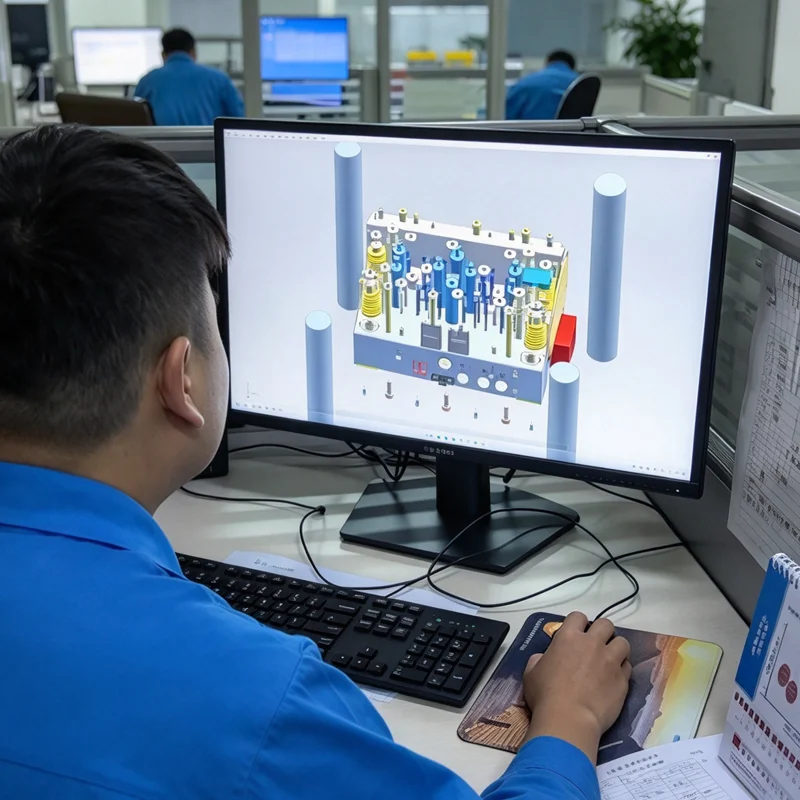
At Toolingsun, engineering communication is integrated into the early stages of tooling projects. The team reviews customer-provided 3D files, evaluates mold structure requirements, and confirms design details before mold manufacturing begins. This approach allows potential issues related to manufacturability, tooling structure, and production requirements to be discussed before they become later-stage modification costs.
For buyers evaluating overseas mold suppliers, the key consideration is not only whether a supplier can manufacture a mold, but whether the supplier can participate in engineering decisions that influence long-term production stability. A structured review process, clear technical communication, and documented approval steps help create a more predictable tooling development process.
Practical Decision Framework: Eight Checks Before You Award a Mold
This is the section your team can take into the next supplier call. Score each check on evidence, not on assurances.
1. Depth of the DFM Review
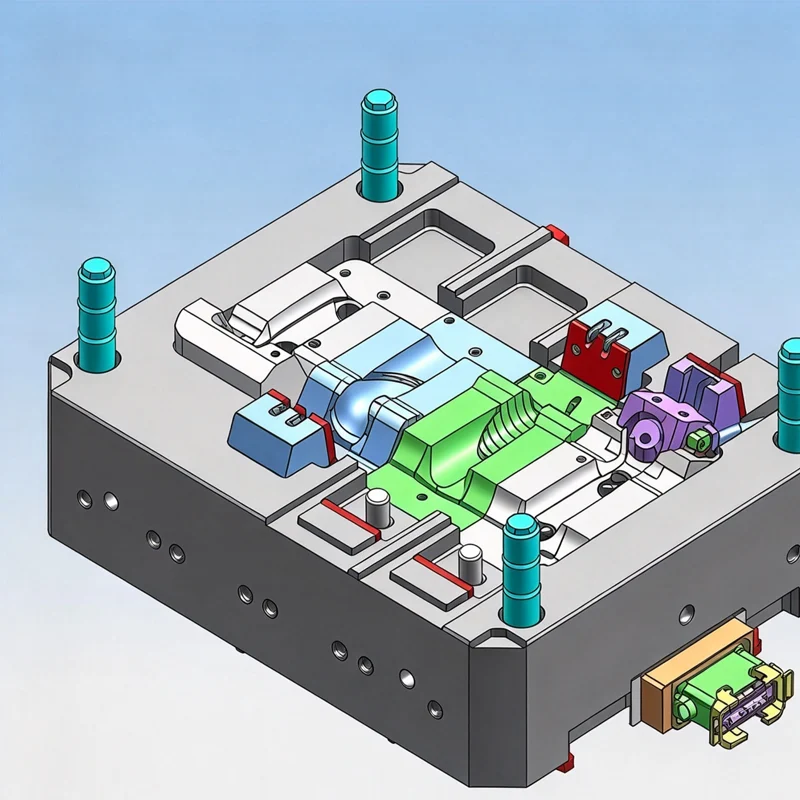
Ask for a sample DFM report. A useful one names the parting line, draft on undercut areas, gate location and type, ejector layout and wall-thickness risks, and it sorts the risks into items needing your decision. A report that only says “design approved” tells you little.
2. Flow Simulation Where It Matters
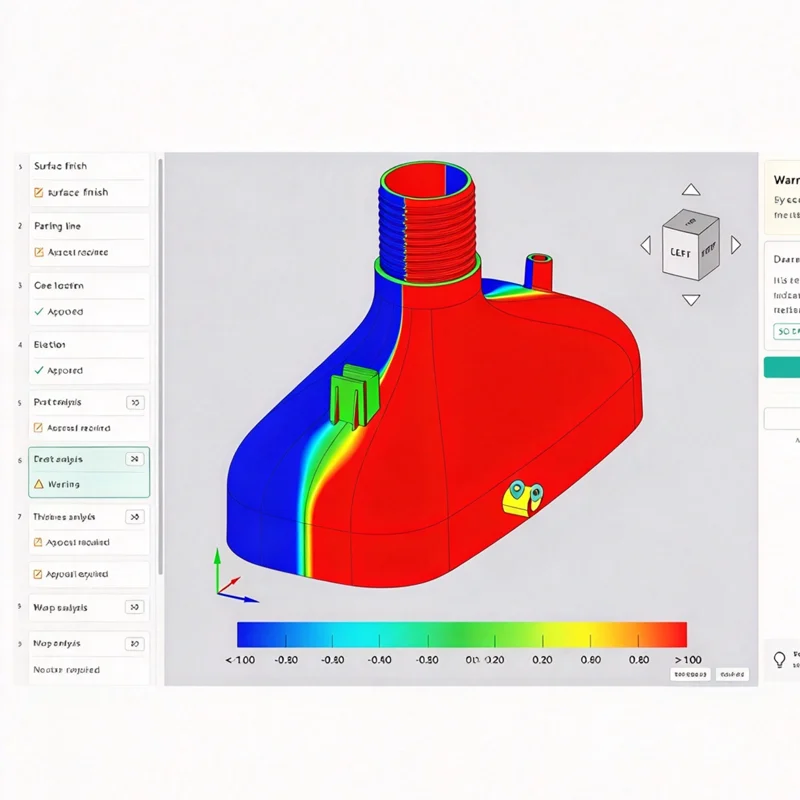
For thin-walled parts, multi-gate tools and glass-filled resins, ask whether flow (Moldflow-type) analysis is run, and what decisions it changed. You want warpage, weld line and cooling feasibility findings turned into design actions.
3. Tool Steel and Standard Component Transparency
Ask which steel grades, heat treatment and standard mold base components (HASCO, DME and similar) will be used, and request material certificates for critical inserts. Steel choice should follow your production volume and resin, not the supplier’s stock.
4. Machining Precision and Measurement Evidence
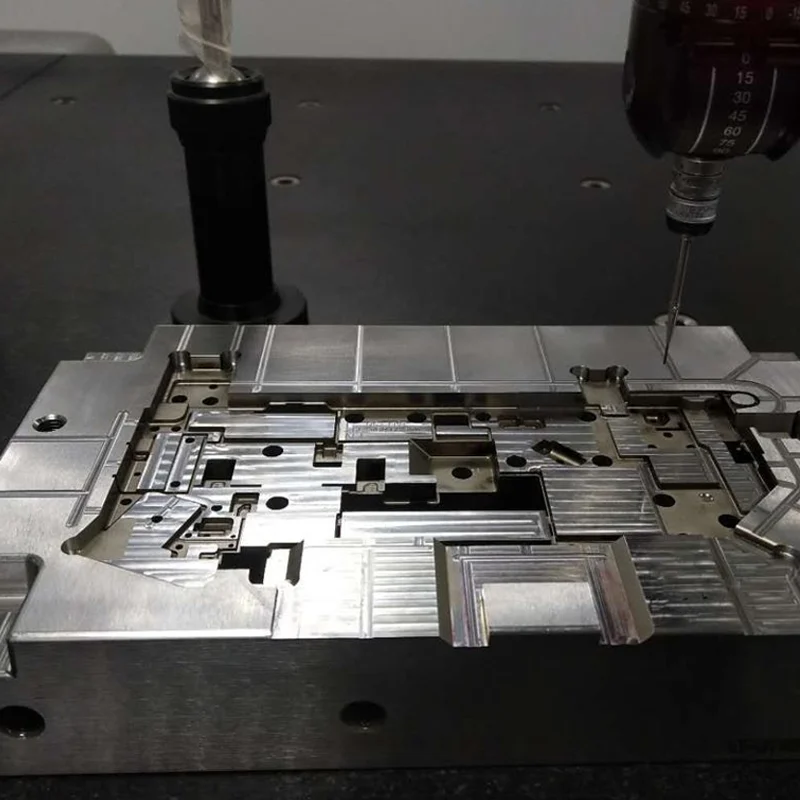
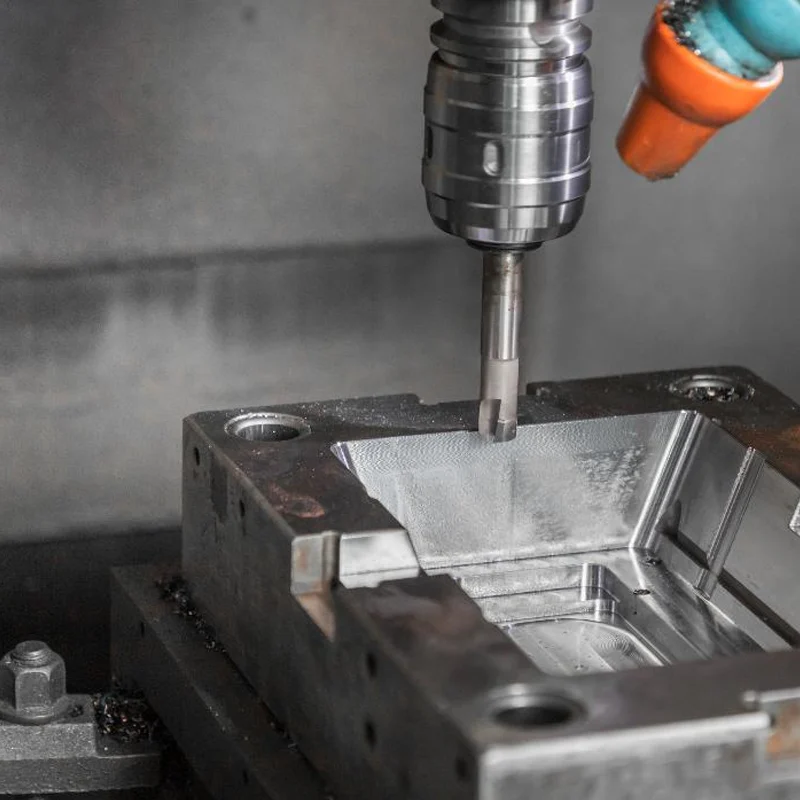
Capability claims need measuring capability behind them. Ask for CMM reports on cavity and core blocks and how often inspection happens during machining. Toolingsun states in-house CNC precision down to ±0.005 mm on mold components, which is the kind of stated figure a buyer should ask any supplier to back with inspection records.
5. Trial Discipline: T0, T1 and T2
Ask how the supplier separates a dry mechanical function check, a first-shot trial and a process optimization trial, who attends and what the pass criteria are. Then ask what happens to T1 samples: who measures them, which dimensions, and how findings return to the tool.
6. Project Management and Communication
Confirm a single accountable contact, review cadence and how design changes are logged. Toolingsun’s project management approach assigns a dedicated project manager to each order, which is the model buyers should look for anywhere.
7. Process Fit: Presses, Materials and Surface Requirements
More machines do not equal better capability. Check that the supplier’s presses match your projected area, shot size and clamping force, and that they have run your resin family before. Review material capability and surface finish options against your cosmetic zones. For tight-tolerance sectors, such as medical molds, ask for comparable references.
8. Tool Life, Maintenance and Post-Delivery Support
Ask what tool life the design targets, what maintenance schedule is recommended, and who repairs the mold and at whose cost. Support terms are part of the total cost of the tool.
Where an Export Mold Program Fits: How Toolingsun Structures It
If your team is assessing suppliers for a production tool, Toolingsun’s export injection molds and tooling service is built around exactly the checks above. The advantages below come from its published service terms; confirm the specifics in your RFQ.
Built for Western Production Environments
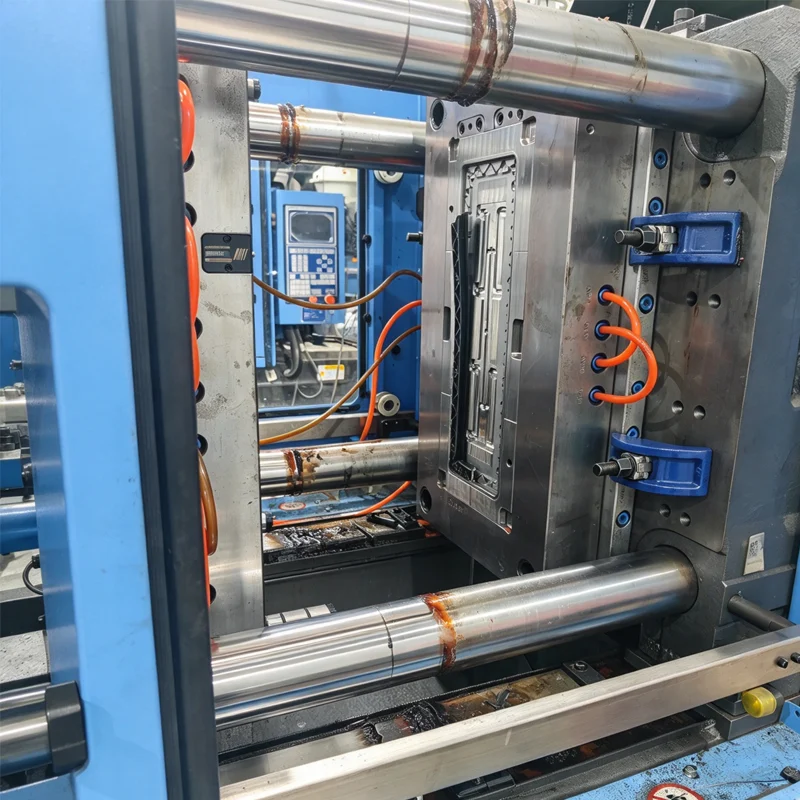
Molds are made in Toolingsun’s own facility in Xiamen, China, for export, and are designed to Western standards with pre-configured cooling line connections. This aims to reduce setup time when the tool reaches your molder.
Specifications You Control
Buyers can specify steel, hot or cold runner systems, molding process and surface finish or texture, and provide injection machine data, resin datasheets and mold standard requirements upfront.
Design Approval Before Steel Is Cut
The process starts from your 3D file (STEP, STP, X_T or Pro/E). Toolingsun prepares a 3D tool design, reviews it internally and sends it to you for approval before building begins. Sample testing and pilot production follow before the tool ships.
One Team From Tool to Parts
Where you also need parts, Toolingsun can run them on its production molds and states it covers repair, refurbishment or replacement of the mold at its own cost while it continues molding your parts. For a fuller picture of how the company works, see why buyers choose Toolingsun molds.
What This Means for Your Brand
A capability review is the first link in a longer chain: mold quality shapes process stability, process stability shapes supply reliability, and supply reliability shapes your product’s reputation and warranty exposure. Treating tooling selection as an engineering decision rather than a price exercise protects launch dates, keeps cosmetic and dimensional targets attainable, and gives you a documented basis for second-source or transfer decisions later. Teams that score suppliers on evidence early also negotiate from a stronger position, because they know which risks are worth paying to remove.
FAQ
1. What files should I prepare so a mold maker can give a meaningful DFM review?
Send 3D CAD (STEP, Parasolid, Pro/E or IGES), 2D drawings marking critical dimensions and tolerances, resin grade, cosmetic surface requirements, expected annual volume and assembly information. Physical samples can also be sent.
2. How should payment milestones be structured?
Toolingsun’s stated terms are 50% deposit and 50% before shipping. Buyers can discuss aligning the balance with sample approval so payment follows demonstrated performance.
3. Who owns the mold and where does it stay?
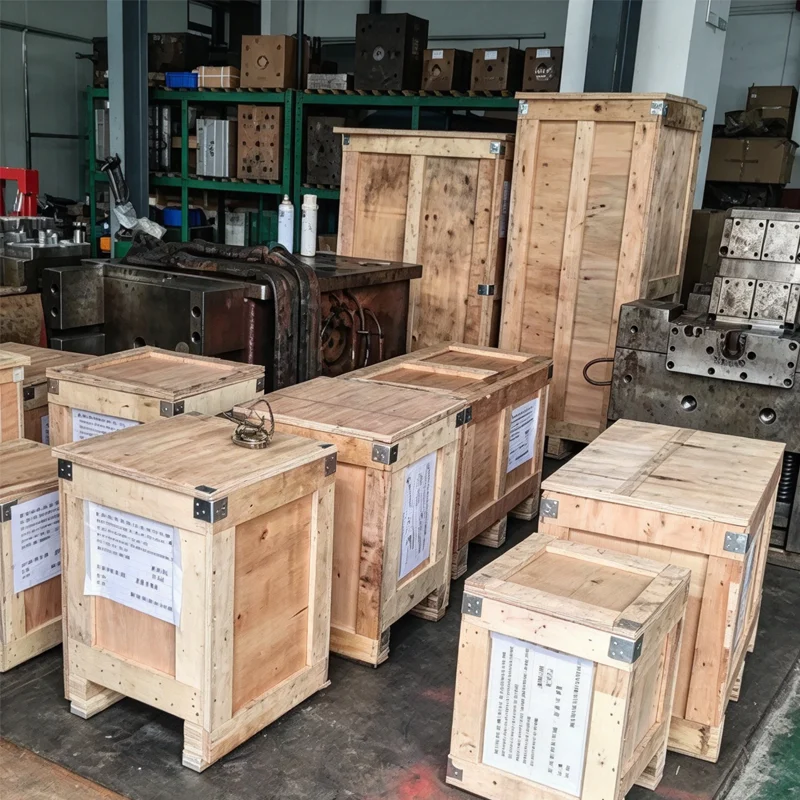
Ownership and storage location should be written into the manufacturing agreement before tooling starts. Toolingsun works under an NDA and a manufacturing agreement, and exports finished molds to the buyer or a designated facility.
4. Can the same supplier build the mold and run production parts?
Yes, Toolingsun offers both. Combining them gives one party accountability when a trial exposes a tool-versus-process issue, but you should still keep the mold’s documentation and the right to move it.
5. Which shipping terms are available?
Toolingsun lists sea or air freight under EXW, FOB and similar terms, or shipment through your own forwarder.
About the Author
Sunny is a Senior Tooling Engineer at Toolingsun with over 20 years of experience in injection mold design, tooling manufacturing, and mold development projects. He specializes in DFM review, mold structure evaluation, precision machining coordination, and tooling validation for plastic injection molding applications.
With extensive experience supporting global brands, product development teams, and sourcing partners on export tooling projects, Sunny focuses on helping customers reduce manufacturing risks through practical engineering analysis, clear technical communication, and structured project management. His work covers the complete tooling process from early design review and mold optimization to trial evaluation and production support.
References
- Grand View Research, Injection Molding Market Size and Share Report, 2026–2033
https://www.grandviewresearch.com/industry-analysis/injection-molding-market-report - Fortune Business Insights, Injection Molded Plastics Market
https://www.fortunebusinessinsights.com/injection-molded-plastics-market-101970 - International Organization for Standardization (ISO), ISO 9001:2015/Amd 1:2024
https://www.iso.org/standard/88431.html
Planning Your Next Tooling Project?
Send your 3D files and resin requirements, and our engineers will return a design review with your questions answered before any steel is cut. Talk to the Toolingsun team.